Carl von Stahl Haus

1.733m | seit 1921

Carl von Stahl Haus

As part of a case study, I redesigned the brand identity and crafted a modern, user-centered website for the Carl von Stahl Haus, an Alpine Club hut located at 1,736 m on the German-Austrian border. The focus of this project was on understanding user needs, structuring content for real-world tasks, and validating design decisions through prototyping and user testing.

This work was completed as part of a university course (UAS St. Pölten, Master Digital Design, Masterclass Graphic Design) and is not an official project of the Carl von Stahl Haus. 
Research & Analysis

To ground the redesign in real user needs, I began with research into the business context, existing brand, and target users. Analysis revealed that the original site lacked a distinct identity and offered limited clarity in layout and typography.

Key steps included:

  • Stakeholder and brand review

  • Target audience definition

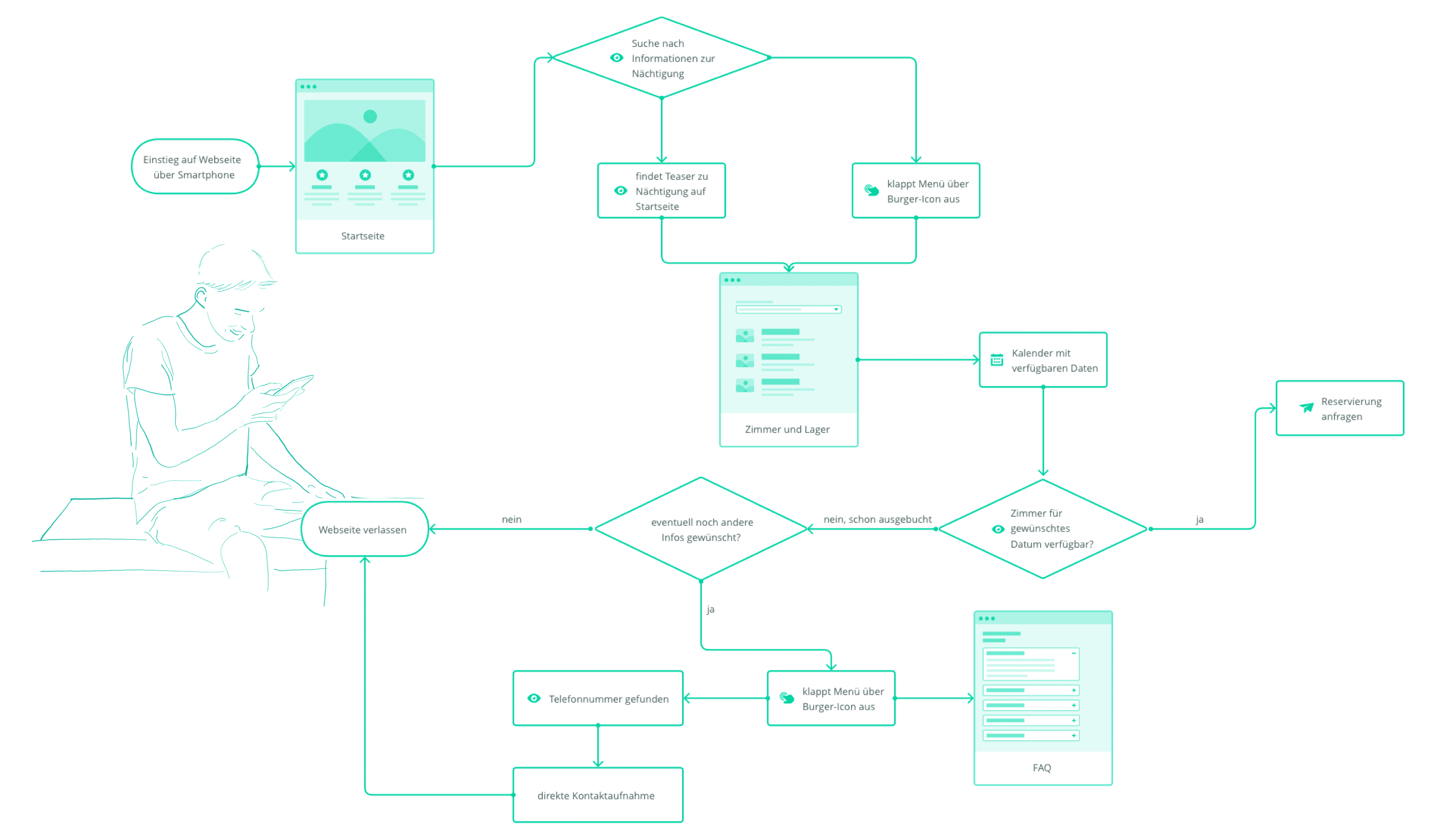
  • Persona and use case development

  • Content needs and touchpoint mapping

Visual Design & Brand

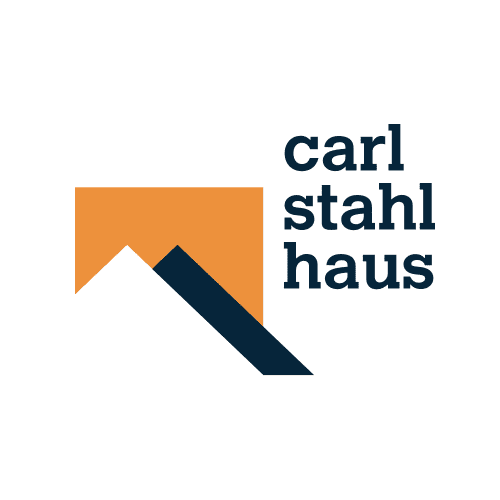
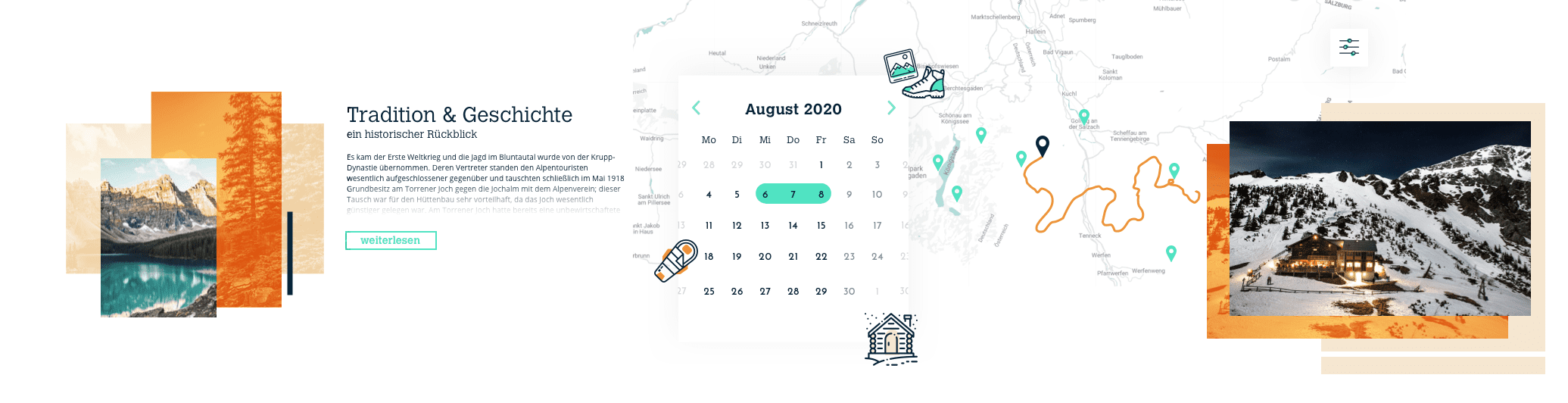
A significant part of this project focused on redefining the visual identity of the Carl von Stahl Haus and translating it into a cohesive digital experience. The goal was to move away from a generic, outdated appearance toward a clear, contemporary brand that reflects the hut’s alpine character while remaining practical and approachable. Design decisions around typography, color, imagery, and layout were guided by usability considerations as well as the environmental context of mountain tourism. The resulting visual language supports orientation, reinforces trust, and strengthens the overall user experience without overshadowing core tasks such as planning and booking.

Develop & Prototype

I translated conceptual work into concrete design artifacts:

  • Low-fidelity prototypes to test structural assumptions

  • High-fidelity prototypes reflecting visual language and interaction flows

  • Both desktop and mobile versions to ensure a seamless multi-device experience

Interactive prototypes were created to evaluate key tasks such as searching tours, booking accommodation, and accessing practical information.

User Testing & Evaluation

Usability testing was conducted with representative users to validate the design direction.  
A think-aloud approach was used to uncover usability issues and refine interface decisions in context.

Key insights from testing included:

  • Clarify image descriptions so visitors understand room categories immediately

  • Improve booking calendar visuals to better communicate availability

  • Adjust color usage to aid comprehension rather than distract users

Final Solution

A distinct visual identity that aligns with the mountain hut’s character

User-driven content structure that supports planning, booking, and exploration

Responsive, intuitive navigation optimized for both desktop and mobile

Clear visual cues and interactive feedback based on user feedback